
Your Customers Can Hear It
Have you ever spoken to someone who made you feel welcome before they had even answered your question? Or dealt with someone whose tone made a simple request feel like an inconvenience?
In customer service, how you communicate can matter just as much as what you say. For library staff and childcare teams, tone, empathy and active listening can transform everyday interactions, helping families, visitors and community members feel valued, understood and supported.
1. Your Tone Sets the Mood
Imagine a parent arriving at a childcare centre with a concern about their child. A rushed response or dismissive tone could make them feel their concerns are not being taken seriously. A calm, warm and reassuring approach can immediately help ease their worries.
The same applies in libraries. A visitor struggling to access a computer or locate information may already feel frustrated. A friendly tone can make asking for help a more comfortable experience. Staff do not always realise how their tone comes across, particularly during busy periods. Taking a moment to pause, speak clearly and use a welcoming tone can make a significant difference to the customer experience.
2. Empathy Helps People Feel Understood
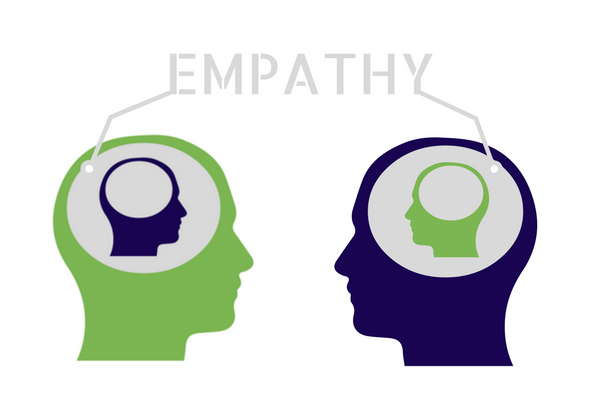
Empathy means recognising another person’s feelings and showing that you understand their perspective. It does not mean agreeing with every complaint or being able to solve every problem. It means acknowledging how someone feels and responding with respect.
For example, a parent concerned about a change to their child’s routine might need reassurance and understanding before discussing a solution. A library visitor frustrated by a service limitation may appreciate hearing, “I understand that’s disappointing. Let’s see what options we have.”
Simple statements like these demonstrate that staff are listening and care about finding a way forward. When people feel understood, difficult conversations can become more constructive, helping staff maintain positive relationships even when the answer is not what someone hoped to hear.
3. Active Listening Builds Trust
It is easy to think about your response while someone else is speaking, particularly when you have a queue of visitors, ringing phones or competing demands. However, preparing your answer too early can mean missing important details.
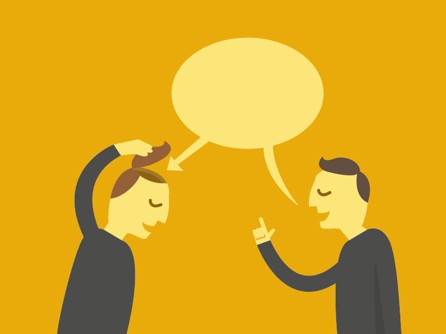
Active listening involves giving someone your attention, asking relevant questions and confirming your understanding before responding.
For library staff, this might mean clarifying what a visitor needs before recommending a resource. For childcare educators and administrators, it could involve listening carefully to a parent’s concerns before explaining a policy or discussing next steps.
Try asking, “Just to make sure I understand, are you saying…?”
This simple question helps prevent misunderstandings and shows the person that their concerns matter.
Small Changes, Lasting Results
Excellent customer service is not always about doing something extraordinary. Often, it comes down to everyday behaviours: a welcoming tone, a moment of empathy or taking the time to listen properly. To read more about the importance of empathy training for customer service teams, click here.
For libraries and childcare centres, these skills help create environments where visitors, families and colleagues feel respected and supported. They can also help staff manage challenging interactions with greater confidence and professionalism. The next time you interact with a customer, remember that your words matter, but the way you deliver them matters too.
Want to strengthen the customer service skills of your team?
Contact Sparkle Training for tailored Customer Service Training for your Customer Service Team, designed to help library and childcare staff communicate with confidence, build trust and create better customer experiences.
Call 1300 611 288 or Email info@sparkletraining.com.au
Author – Garret Norris – https://www.linkedin.com/in/garretnorris/