

Why empathy and active listening matter even when customers have unrealistic expectations
A customer arrived frustrated. They had a very specific expectation about what should happen, but unfortunately, what they wanted simply wasn’t possible. The policy was clear. The process was reasonable. The team member had not done anything wrong.
In fact, the customer was wrong. But that wasn’t the point.
The real question was not whether the customer was right or wrong. The real question was whether the team member could make the customer feel heard, respected and supported while still standing by the correct outcome. That is where empathy and active listening become essential customer service skills.
Being empathetic does not mean agreeing
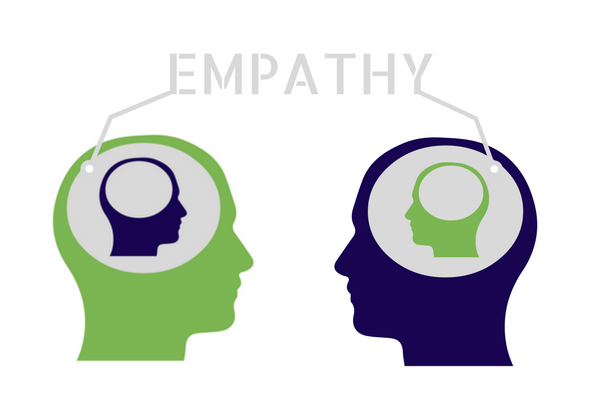
One of the biggest misconceptions about empathy in customer service is that it means agreeing with the customer. It doesn’t. Empathy means recognising how someone is feeling and showing them that you understand their perspective.
A team member can say:
“I can understand why that would be frustrating.”
without saying:
“You are right.”
There is an important difference. The first acknowledges the customer’s emotions. The second confirms that their expectation or interpretation is correct. This distinction is particularly important in environments such as libraries and childcare centres, where staff regularly deal with parents, families, patrons and community members who may have strong emotions or expectations.
Sparkle Training programs highlight that empathy does not mean taking blame for something you did not cause. It means showing the customer that you are invested in helping resolve the situation.
Sometimes people need to be heard before they can hear you
When someone is frustrated, giving them more information isn’t always the immediate solution.
• They may already know the policy
• They may have been told the process.
• They may have received the answer before.
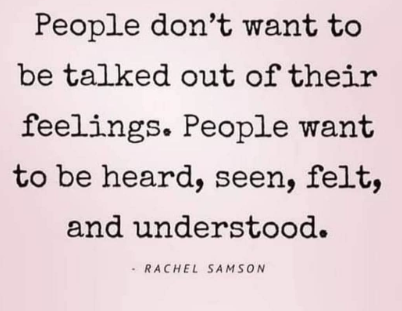
What they want first is to feel heard, and this is where active listening matters. Active listening involves more than simply waiting for your turn to speak. It means giving the customer your attention, asking questions, clarifying what they are saying and acknowledging their concerns before moving towards a solution.
For example, instead of immediately responding with:
“Unfortunately, that’s our policy.”
try:
“I can hear that you’re frustrated because you were expecting this to be resolved today. Let me make sure I understand what has happened.”
The policy hasn’t changed, the answer hasn’t changed, but the conversation has. The customer is now more likely to feel that the team member is working with them rather than against them.

The danger of proving the customer wrong
When a customer is clearly mistaken, it can be tempting for staff to focus on proving it.
• “We already explained that.”
• “That isn’t what our policy says.”
• “You were told this last week.”
Technically, those statements might all be correct. But customer service isn’t a competition to see who can prove their point first. Winning the argument can still mean losing the relationship. If the customer leaves feeling embarrassed, dismissed or ignored, the organisation may have technically followed its process while delivering
a poor customer experience.
Great customer service is about balancing two things:
The customer’s experience and the organisation’s boundaries.
You can maintain the boundary without creating unnecessary conflict.
Empathy creates space for the solution
Once someone feels heard, they are often much more receptive to the information you need to provide. This makes empathy a practical customer service tool, not simply a nice personality trait. Consider the difference.
Without empathy:
“That’s not possible. You’ll need to follow the process.”
With empathy:
“I understand why you’d hoped we could do that today. Unfortunately, we can’t change that part of the process, but let’s look at what we can do from here.”
The second response doesn’t promise something that cannot be delivered. It doesn’t bend the rules, it doesn’t accept unreasonable behaviour. It simply changes the tone from “No” to “Here’s how I can help.” That can make a significant difference.
What should your team do when expectations are unrealistic?
When a customer asks for something that simply isn’t possible, encourage your team to follow a simple approach:
1. Listen before responding
Allow the customer to explain what has happened without immediately interrupting or correcting them.
2. Acknowledge the emotion
You don’t have to agree with their position to recognise their frustration. Try: “I can understand why you’re disappointed.”
3. Clarify the issue
Ask questions to make sure you understand what the customer actually needs.
4. Explain the reality
Once the customer feels heard, calmly explain what can and cannot be done.
5. Focus on what you can do
Whenever possible, provide an alternative, next step or solution.
6. Stay professional
Even when the customer’s expectations are unreasonable, your team’s response should remain calm, respectful and consistent.
These are skills that can be developed through practice. Sparkle Training’s customer service programs specifically focus on active listening, quality questioning, positive language and techniques for calming and supporting difficult or angry customers.
The goal isn’t to make every customer right
Sometimes the customer will simply be wrong. Their expectation might be unrealistic, their interpretation might be incorrect, their request might not be possible. And that’s okay.
Excellent customer service doesn’t mean giving customers everything they ask for. It means handling the conversation in a way that protects the relationship, respects the customer and maintains the organisation’s standards. Because the customer may forget exactly what policy you quoted. They may forget the process you explained. But they are much more likely to remember how you made them feel. That is why empathy and active listening matter.
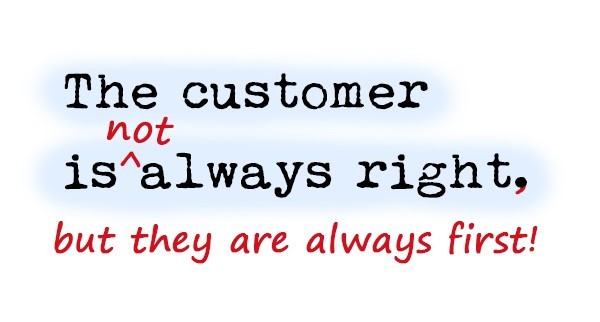
Not because the customer is always right, but because great customer service is about how you respond when they aren’t.
Want to give your team the skills to handle challenging customer conversations?
If your team needs greater confidence when dealing with unrealistic expectations, complaints or difficult customer interactions, Sparkle Training can help.
You can also read Sparkle Training’s related blog, “The Customer Everyone Called ‘Difficult’ Until They Learned How to Handle It”, for more practical insights into changing the way teams approach challenging customers.
Contact Sparkle Training for tailored Customer Service Training designed around your organisation, your customers and the situations your team faces every day. From empathy and active listening to handling difficult conversations and de-escalating conflict, training can give your team practical tools they can use immediately.
Contact Sparkle Training today on 1300 611 288 or Email info@sparkletraining.com.au to get started!
Author – Garret Norris – https://www.linkedin.com/in/garretnorris/