

Why customer service skills need to be trained just like technical skills
They knew their jobs, they knew the systems, they knew the policies, they understood the processes, they were experienced, capable and good at what they did. But then a customer became upset.
A parent challenged a decision. A library customer raised their voice. Someone complained about a service, questioned a policy or demanded an exception. Suddenly, knowing the job wasn’t enough.
The team knew what they were supposed to do. They weren’t always confident about how to handle the conversation. And that is a customer service training issue.
Difficult conversations are a skill
We often expect people to naturally know how to deal with difficult customers because they are experienced in their roles.
But technical expertise and customer service expertise are different skills.
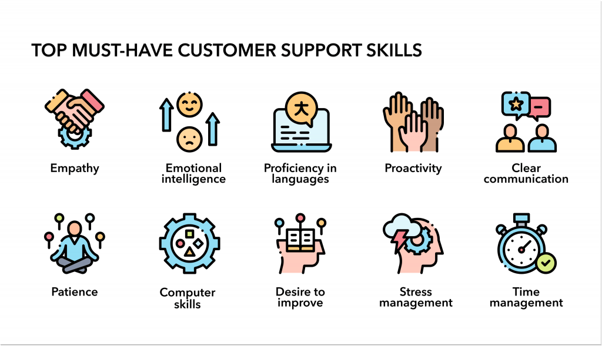
Someone can be excellent at their job and still struggle to:
• Stay calm when a customer becomes emotional
• Listen without becoming defensive
• Ask the right questions
• Show empathy without agreeing with unreasonable behaviour
• Explain policies clearly
• Deliver disappointing news
• Set appropriate boundaries
• De-escalate a situation
• Bring a difficult conversation back to a constructive outcome
These skills don’t necessarily develop simply because someone has been in the job for five or ten years. They need to be taught, practised and reinforced.
Knowing the policy isn’t the same as communicating it
This is particularly important in libraries and childcare environments.
Staff often need to work within policies, procedures, regulations and boundaries that cannot simply be changed because a customer is unhappy. The challenge is not always what the answer is. It is how the answer is delivered.
Compare:
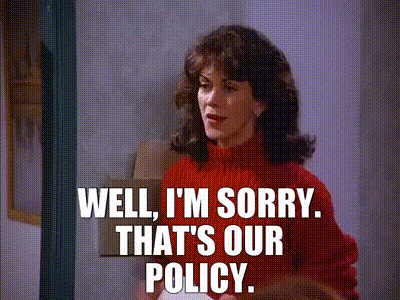
“That’s our policy. There’s nothing I can do.”
with:
“I understand why that is frustrating. Let me explain why we have this policy and what options I can offer you.”
The outcome may be the same. The customer experience can be very different. Customer service training helps teams understand that following a policy and showing empathy are not competing priorities. You can do both.
Difficult customers don’t need to become difficult conversations
A customer being upset doesn’t automatically mean the interaction has to escalate. Often, small changes in behaviour can make a significant difference.
For example, instead of immediately defending a decision, staff can ask a question.
Instead of interrupting, they can listen.
Instead of matching the customer’s frustration, they can slow the conversation down.
Instead of saying “no”, they can explain what they can do.
These aren’t complicated techniques, but they do require practice. Role-playing realistic scenarios can be particularly valuable because it gives teams an opportunity to practise difficult conversations before they have to manage one in real life.

Your team shouldn’t have to learn through trial and error
Nobody wants their first experience of handling an aggressive customer, upset parent or serious complaint to be a learning experience. Yet without training, that is often what happens. Staff watch colleagues, copy what they have seen, develop their own approaches and hope they work. Sometimes they do. Sometimes they make the situation worse.
Good customer service training gives teams a shared approach. It gives them practical language, techniques and confidence they can use when conversations become challenging.
It also gives managers a common framework for coaching staff after difficult interactions.
Customer service is part of the job
For libraries and childcare centres, customer service isn’t an extra responsibility that sits alongside the “real” job. It’s part of the job.
Every interaction contributes to how customers, parents and families experience the organisation. Your team may be technically excellent. They may know their systems, processes and responsibilities inside out. But if they don’t feel confident managing difficult conversations, there is a gap in their capability. And that gap can affect staff confidence, team morale, customer relationships and the overall experience your organisation provides. Customer service skills deserve the same attention as technical skills. To find out more about the importance of de-escalation skills for customer service staff, click here.
Give your team the confidence to handle difficult conversations
At Sparkle Training, we provide tailored Customer Service Training for library and childcare teams, focusing on practical skills that staff can use immediately.
From difficult customers and de-escalation to empathy, questioning, active listening and handling complaints, our training is designed around the real situations your team faces.
Contact Sparkle Training to discuss tailored Customer Service Training for your library or childcare team.
Call 1300 611 288 or Email info@sparkletraining.com.au
Author – Garret Norris – https://www.linkedin.com/in/garretnorris/