


How library teams can manage challenging behaviour while protecting the experience of other customers
It started when one customer was frustrated about a computer booking. Then they became frustrated about the printer. Then the conversation moved to the library’s internet connection. Within a few minutes, their voice had become louder, their frustration more visible and the staff member helping them was becoming increasingly uncomfortable.
But the biggest problem wasn’t actually the difficult customer, it was everyone else. A parent trying to read with their child looked up. A student studying nearby packed up their laptop and moved. An older customer waiting at the service desk quietly stepped back. One challenging interaction was starting to affect the experience of an entire library.
This is one of the most difficult situations library teams face. Staff need to support the customer in front of them, but they also have a responsibility to maintain a welcoming, safe and positive environment for everyone else.
So how do you manage difficult customer behaviour without allowing one interaction to take over the whole library?
Difficult behaviour doesn’t happen in isolation
In a library, customer interactions happen in a shared environment. Unlike a private customer service office, conversations can be overheard and behaviour can quickly become visible to other customers. That means a difficult interaction can have a ripple effect.
One person raising their voice can make others uncomfortable. Aggressive language can change the atmosphere of an otherwise calm space. A staff member spending 20 minutes trying to resolve one issue may mean other customers are waiting longer for assistance.
This doesn’t mean library staff should rush through difficult conversations. It means teams need to recognise when an individual interaction is beginning to affect the broader customer experience.
The goal isn’t to “win” the conversation
When a customer becomes challenging, it can be tempting to focus on proving that the library is right. The customer may have misunderstood a policy. They may be asking for something the library cannot provide. They may be upset about something that isn’t actually the staff member’s fault.
But arguing over who is right rarely improves the situation. The goal should be to understand the issue, acknowledge the customer’s concern, explain what can be done and establish appropriate boundaries.
A simple shift in language can make a significant difference.
Instead of:
“That’s not our policy.”
Try:
“I understand why that’s frustrating. Let me explain what we can do from here.”
The second response doesn’t mean agreeing with the customer. It means acknowledging their experience while moving the conversation towards a solution.
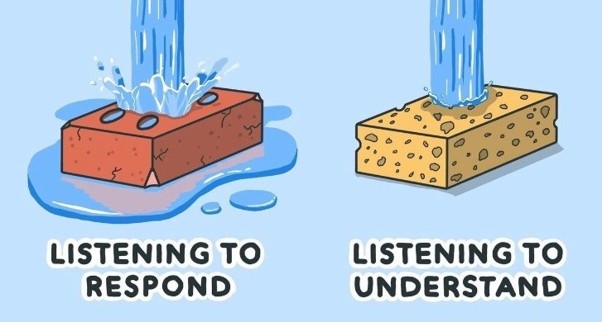
Listen before you respond
When someone is upset, they often want to feel heard before they are ready to hear a solution. This is where active listening becomes particularly important.
Library staff can use simple techniques such as:
• Allowing the customer to explain the issue without immediately interrupting
• Asking questions to clarify what has happened
• Acknowledging the customer’s frustration
• Summarising the issue back to them
• Explaining the next step clearly
For example: “So, if I’ve understood correctly, you booked a computer for this morning, but when you arrived your booking wasn’t showing. Is that right?”
That one question can help move the conversation from emotion towards facts. It also demonstrates that the staff member is listening.
Set boundaries when behaviour crosses the line
Listening and empathy are important, but they don’t mean staff should accept inappropriate behaviour. There is a difference between a customer who is frustrated and a customer who is abusive, threatening or intimidating.
Library teams need to be confident about where that line sits and what happens when it is crossed.
This could involve calmly stating:
“I’m happy to help you resolve this, but I need you to speak to me respectfully.”
If the behaviour continues, staff should know when to involve a supervisor, manager or security process according to the library’s procedures. The important thing is that staff aren’t left to make these decisions alone.
A strong customer service team has clear expectations around difficult behaviour and a consistent process for responding to it.
Don’t forget the other customers
This is the part that can easily be overlooked. While staff are focused on the difficult customer, what is happening around them?
• Is another customer waiting?
• Has the conversation become loud enough to disturb people using the library?
• Are children or vulnerable customers being exposed to inappropriate language?
• Is the staff member’s attention being consumed by one person while everyone else receives less service?
Managing the difficult interaction should include managing its impact. Sometimes this could mean asking another team member to assist customers at the service desk. In other situations, it may mean moving a conversation to a more appropriate location where possible.
The objective is simple: support the individual without sacrificing everyone else’s experience.
Consistency gives staff confidence
One of the biggest challenges with difficult customers is inconsistency. If one staff member allows behaviour that another staff member would immediately address, customers can receive mixed messages and staff can become uncertain about what they are allowed to do.
Clear team guidelines can help. For example, library teams can establish agreed approaches for:
Frustration: Listen, acknowledge and work towards a solution.
Repeated complaints: Clarify the issue and explain what can reasonably be done.
Aggressive behaviour: Set a clear boundary.
Abusive or threatening behaviour: Follow the library’s escalation and safety procedures.
The exact process will depend on the organisation, but the principle remains the same. Staff should know what to do before the difficult situation happens.

Great customer service includes protecting the environment
Customer service isn’t simply about making the person at the counter happy. For libraries, it is about creating an environment where everyone feels welcome, respected and able to use the service. That means staff need more than product or policy knowledge.
They need the communication skills to handle emotionally charged conversations, the confidence to set boundaries and the judgement to recognise when one customer’s behaviour is beginning to affect everyone else. And when teams have these skills, difficult customers don’t have to define the customer experience.
For more practical strategies, read SPARKLE Training’s related blog on dealing with difficult customers, which explores how customer service teams can respond confidently and professionally when interactions become challenging.
One difficult customer doesn’t have to affect everyone Every library will encounter difficult customers. The question isn’t whether challenging behaviour will happen. It’s how prepared the team is when it does.
With the right training, library staff can learn how to listen without escalating, communicate with empathy, set appropriate boundaries and protect the experience of the customers around them.
Because excellent customer service isn’t about giving the loudest customer all the attention. It’s about making sure one difficult interaction doesn’t become everyone else’s problem.
Looking to strengthen your team’s customer service skills?
SPARKLE Training provides tailored Customer Service Training designed around the real-world challenges your team faces. Whether your team needs support with difficult customers, communication, de-escalation, active listening or creating a consistently positive customer experience, training can be tailored to your organisation and your people.
Contact SPARKLE Training today to discuss tailored Customer Service Training for your Library Customer Service team.
Call 1300 611 288 or Email info@sparkletraining.com.au
Author – Garret Norris – https://www.linkedin.com/in/garretnorris/